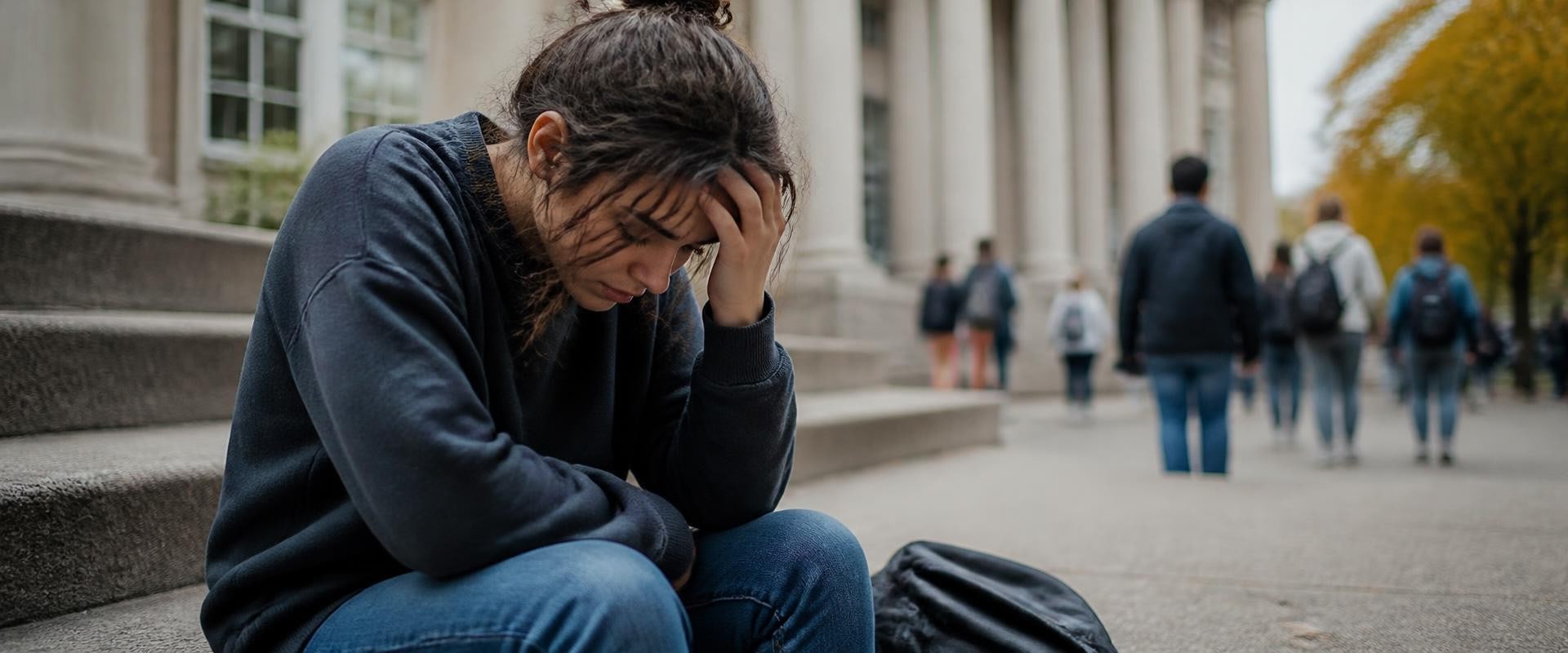
A violent attack during college can upend far more than a single semester. Students may need surgery or months of therapy. Some withdraw from school, lose scholarships, or abandon a major they worked years to pursue. Parents may take time off work, travel back and forth, and pay for care that insurance does not cover. When a school or housing operator's security failures made the attack possible, a civil claim seeks to account for all of it.
Medical and psychological care
Compensation can cover the ER, inpatient care, operations, rehabilitation sessions, and prescriptions. For many students, the psychological effects are just as significant: post-traumatic stress, anxiety, depression, sleep disturbances, and difficulty concentrating. A claim can include counseling and psychiatric treatment for as long as the student needs it.
Lost academic and earning opportunity
Campus cases often involve a category of harm that is easy to overlook. A student who has to leave school for a semester or longer may lose tuition already paid, scholarships tied to enrollment or grades, internships, and a place in a competitive program. Graduation may be delayed by a year or more, pushing back the start of a career and years of earnings.
Some students never return. For them, the loss may include the difference between the career they were working toward and the one available to them afterward. Educational and vocational experts can help estimate these losses.
Trauma and quality of life
Damages may also compensate for physical pain, emotional distress, fear, and the loss of the ordinary experiences of college life: living with friends, joining activities, walking across campus without anxiety.
When a student dies
Families grieving a son or daughter, brother or sister, may be entitled to bring a wrongful-death action. Depending on state law, recoverable damages can include funeral costs, the financial contributions the student would have made, and the profound loss of companionship.
Questions families often ask
Can a university be held responsible when a student is attacked in a residence hall? It may be. If the building's entry controls or other security fell short and the attack could reasonably have been foreseen, the school or the company operating the housing may be liable.
My child lived in a private complex near campus, not a dorm. Is there still a claim? Possibly. Privately owned student-housing complexes carry the security obligations of any apartment landlord and can be sued independently of the university.
What will legal representation cost us? There is nothing to pay at the start. Representation is contingent, with the fee payable only out of compensation actually obtained. Your written agreement should spell out how litigation expenses are treated.
Does it matter that the school is a state university? Often it does. Public institutions may be protected by immunity laws, damage caps, and short notice deadlines, so speaking with a lawyer quickly is important.
The school is handling it through its own disciplinary process. Should we wait? A campus process is separate from a civil claim and does not protect your legal rights or stop deadlines from running. You can participate in both.
My student is over 18. Who brings the case? Generally, an adult student is the one who brings a claim for their own injuries, though parents often help coordinate. If a student dies, the wrongful-death claim is brought on behalf of the family members state law designates.
Will the student have to testify? Possibly, though many cases resolve without trial. Lawyers can help prepare students and seek protections where the subject matter is sensitive.
How long do these cases take? Timelines vary widely. A case may resolve in months or take a few years, depending on the injuries, the number of parties, and whether it goes to trial. Students can continue their studies while a claim proceeds.
Will the school retaliate against my student for suing? Some federal rules, such as Title IX, forbid retaliation in certain situations, for example against students who report sexual misconduct. If you are worried about how the school might respond, raise it with your lawyer early.
Records worth keeping
Save medical bills and records, transcripts, tuition and housing statements, scholarship letters, and any correspondence with the school about withdrawal or accommodations. Keep campus safety alerts and messages with resident advisers or housing staff. These documents help show both what the school knew and what the attack cost.
Talk with The Haggard Law Firm
Headquartered in Coral Gables and serving families nationwide, The Haggard Law Firm counts close to 500 negligent-security cases in its history. It obtained a $102.7 million jury award that no other U.S. negligent-security trial has topped; the sum is reported gross.
No attorney's fee applies unless money is recovered. Students and parents can arrange a free, private consultation at (305) 446-5700. To learn more: https://crimevictim.attorney/negligent-security/college-campus/
Attorney advertising. These answers are general and may not apply in every state or situation; they are not legal advice. Writing or calling does not make the firm your attorney. Previous results do not guarantee comparable outcomes.


