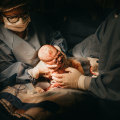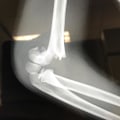
Cephalohematoma often develops during childbirth without any medical error. However, some cases raise questions about assisted delivery techniques or failures to monitor related complications. Medical malpractice becomes a concern when substandard care causes an avoidable injury, such as severe untreated jaundice or an associated traumatic injury.
Does cephalohematoma indicate medical negligence?
A cephalohematoma is not automatic evidence of malpractice.
The condition can occur during carefully managed deliveries.
Normal pressure during childbirth may rupture small vessels beneath the periosteum.
Most affected babies recover without permanent complications.
However, medical negligence may be investigated when the circumstances suggest inappropriate delivery decisions or inadequate newborn care.
The legal question is whether healthcare professionals met the accepted standard of care.
A successful claim also requires evidence that the alleged failure caused legally recognized harm.
Vacuum extraction and possible negligence
Vacuum extraction is associated with a higher risk of cephalohematoma.
The procedure can be medically appropriate when specific conditions are met.
However, clinicians must evaluate whether assisted vaginal delivery is suitable.
They must also use proper technique and recognize when an attempted delivery is not progressing safely.
A malpractice investigation may examine cup placement, traction, repeated cup detachments, and the decision to continue or stop the procedure.
These details help medical experts assess whether the delivery met accepted standards.
The presence of a cephalohematoma alone does not establish improper vacuum use.
Forceps delivery and head trauma
Forceps are another recognized contributor to newborn head injuries.
The instruments apply pressure around the baby's head during assisted delivery.
Improper placement or excessive force may increase the risk of trauma.
However, forceps delivery can also be performed appropriately and safely.
Medical experts may review whether the procedure was indicated, how it was performed, and whether complications were recognized.
A difficult delivery does not necessarily mean that a clinician acted negligently.
Missed jaundice monitoring after delivery
One of the most important concerns involves newborn jaundice.
Cephalohematoma increases bilirubin production as the trapped blood breaks down.
Healthcare professionals should consider this risk when evaluating bilirubin levels and arranging follow-up.
A failure to recognize significant jaundice or respond to abnormal bilirubin results may allow the condition to worsen.
Severe untreated hyperbilirubinemia can cause kernicterus, a form of permanent neurological injury.
An investigation may examine whether appropriate bilirubin screening occurred and whether recommended treatment was delayed.
Medical evidence used in malpractice investigations
Medical records help establish what happened during childbirth and newborn care.
Delivery notes may document the reason for assisted delivery and the techniques used.
Newborn examination records can identify when the cephalohematoma was recognized.
Bilirubin test results show whether jaundice was monitored.
Discharge instructions and follow-up records may reveal whether the family received appropriate guidance.
When a child develops neurological complications, additional records may include hearing evaluations, brain imaging, and developmental assessments.
Medical experts interpret these findings when evaluating negligence and causation.
Understanding legal options
A cephalohematoma that resolves without complications may not support a substantial malpractice claim.
Cases involving permanent neurological injury or other serious harm require a different assessment.
Potential compensation depends on the medical evidence, recoverable damages, and applicable state law.
Filing deadlines vary by jurisdiction.
Families considering legal action should seek qualified advice before assuming that a claim remains available.
Common questions around cephalohematoma malpractice
Can parents sue for a cephalohematoma?
Possibly, but a valid claim generally requires proof of negligence, causation, and legally recognized damages.
Does vacuum extraction automatically establish negligence?
No. Vacuum-assisted delivery can be appropriate when performed according to accepted standards.
Can missed jaundice treatment support a malpractice claim?
Yes, when negligent care causes preventable injury and the legal requirements are satisfied.