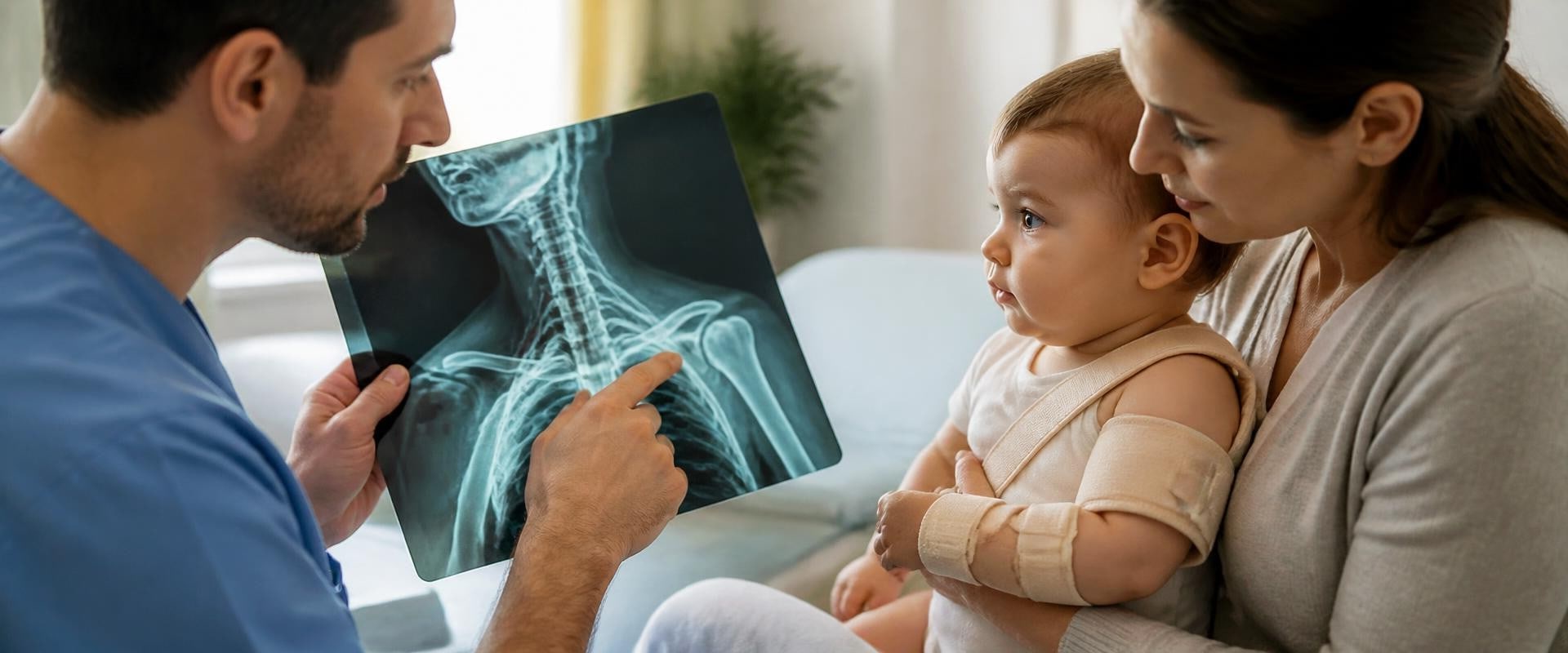
Severe brachial plexus birth injuries can create lasting medical and rehabilitation needs. When negligent healthcare causes preventable nerve damage, families may have grounds to seek compensation. Settlement outcomes depend on the strength of the evidence, the severity of the injury, and applicable law.
Understanding brachial plexus injury lawsuits
A brachial plexus birth injury lawsuit generally concerns allegations that negligent medical care caused damage to a newborn's arm nerves.
Some claims involve shoulder dystocia management.
Others may concern excessive traction or failures in follow-up care.
However, not every brachial plexus injury is preventable.
A successful malpractice claim generally requires evidence of a breach of the applicable standard of care.
The claimant must also establish that the breach caused the injury and legally recognized damages.
Why injury severity affects compensation
Brachial plexus injuries range from temporary stretching to severe nerve damage.
Some newborns recover normal movement within several months.
Others experience permanent weakness or paralysis.
A child with an uncomplicated stretching injury may require relatively limited treatment.
A child with nerve rupture or avulsion may need surgery and long-term rehabilitation.
The extent of lasting impairment can influence the financial consequences of an injury.
However, even a severe injury does not automatically establish medical negligence.
Medical evidence used to support a claim
Delivery records may document the circumstances surrounding childbirth.
When shoulder dystocia occurs, records may describe the maneuvers performed.
Newborn examinations can identify the earliest symptoms of nerve damage.
Specialist evaluations may determine which nerve roots are involved.
Imaging and electrodiagnostic testing may help characterize severe injuries.
Surgical records can provide additional information about structural nerve damage.
Rehabilitation records document the child's progress and ongoing needs.
Medical experts review this evidence when evaluating negligence and causation.
What compensation may include
Recoverable damages vary according to the circumstances and applicable law.
Potential medical expenses include specialist consultations, physical therapy, and occupational therapy.
Severe injuries may require nerve grafting or nerve transfer procedures.
Some children need additional orthopedic surgery later in childhood.
Families may also incur expenses for adaptive equipment or support services.
Where legally permitted, compensation may address future earning capacity, pain and suffering, and other eligible losses.
These amounts must be supported by appropriate evidence.
Long-term care planning
A child with permanent arm weakness may need ongoing care.
A life care plan can estimate expected future treatment and support expenses.
It may address therapy, medical appointments, surgery, and adaptive needs.
The plan should consider the child's current function and expected development.
Medical specialists help assess likely future requirements.
Financial experts may assist with cost estimates.
The goal is to develop an individualized projection rather than relying on a general diagnosis.
Why settlement amounts differ
There is no standard settlement amount for brachial plexus birth injuries.
Potential compensation depends on several factors.
These include injury severity, evidence of negligence, the relationship between the alleged error and the injury, and future care costs.
State law can affect recoverable damages.
Some jurisdictions limit certain categories of medical malpractice compensation.
Insurance coverage and disputed medical facts may also influence negotiations.
Previous settlements do not guarantee a similar outcome.
Filing deadlines and legal procedures
Medical malpractice claims are subject to statutes of limitations.
The applicable deadline depends on the jurisdiction and circumstances.
Special rules may apply to children and claims involving certain healthcare providers.
A legal investigation may involve medical record review, expert opinions, settlement discussions, and litigation.
Some claims settle.
Others proceed to trial or end without compensation.
Families considering legal action should obtain qualified guidance about their specific circumstances.
Common questions around brachial plexus injury settlements
How much is a brachial plexus injury lawsuit worth?
There is no fixed value. Potential compensation depends on negligence, causation, injury severity, and recoverable damages.
Can families seek compensation for future nerve surgery?
Possibly. Eligible future medical expenses may be recoverable when supported by appropriate evidence.
Does every brachial plexus injury lawsuit settle?
No. Some cases settle, while others proceed to trial or end without recovery.
Can a child with permanent arm paralysis qualify for compensation?
Potentially, when the legal requirements for a medical malpractice claim are established.